You must first know what commodity you are trading, which means that you have to do enough research so that you know everything there is to know about it and how it moves in different economic situations. This will allow you to track the maturity of the commodity, how its demand curve will move along as time goes by and what other developments might either hinder or help its growth within the business and economical market.
This is applicable to both business to business as well as specialist, or consumer products and commodities that are up for trading on the investment floors all over the world. Here information is your best friend because you can recycle the raw information and derive a strategy based on that. Just knowing the price movements and previous market psychology is not enough when looking at the specs of the commodity that you are trading. Where is it going? What factors would stall or increase its demand potential? Is it technology based? Does it follow the normal production and advancement cycles that most commodities have? Are there alternatives to it in the making?
These are the questions (some of them) you need to be asking. Basics of commodity trading really is basic knowledge of the commodity itself. We have not even gone into market physics and how market players interact with potential situations. These are the deliverables and collectible information you need to process in and out of your investment day. With this, trading will be a slightly less complicated game to play.
National Stock Exchange
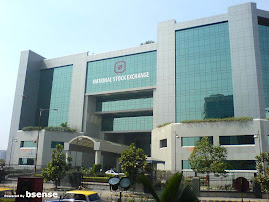
NSE
Showing posts with label Basics of Commodity Trading. Show all posts
Showing posts with label Basics of Commodity Trading. Show all posts
Tuesday, March 31, 2009


Subscribe to:
Posts (Atom)

 Posts

